(This post includes affiliate links to my online bookstore, The Little Book Truck, which means I will receive a small commission at no cost to you if you make a purchase through a link to the store or any book links in this post.)
Welcome to Day 24 of the Write the Story! writing adventure!
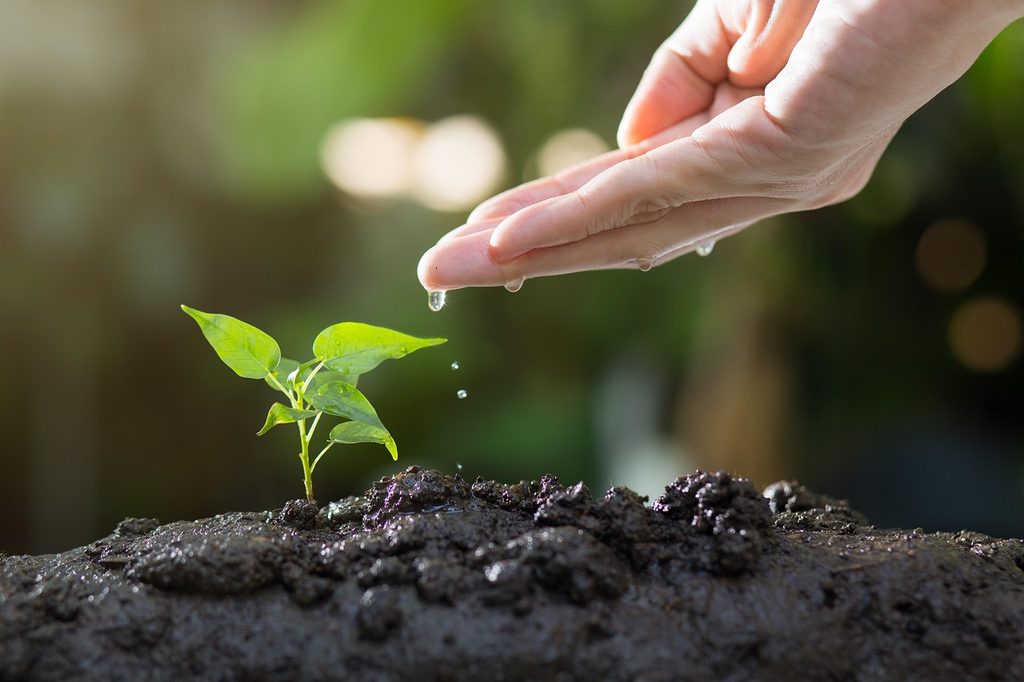
As we enter the final days of this writing adventure together, I can't help but compare the writing process to gardening. The way we plant seeds like words into the soil of our imaginations and nurture them, willing them to grow into the story we sense within us, in our hearts, souls, minds.
So many aspects of gardening can be applied to the writing process, from the sowing of the seeds of the story to the weeding of the things choking out the story's roots and branches.
But it wasn't until recently, when I revisited one of the writing-related books on my bookshelf, that I considered how wonderful the idea of the compost pile ties into writing. If you're not familiar with composting, the general idea involves recycling organic materials to help create a stronger, more nutrient-dense growing foundation for a garden.
In other words, from the food scraps, yard trimmings, and even manure, composting mitigates environmental weaknesses—eroding soils, depleted nutrients, water erosion and runoff. The results almost always involve a garden of stronger, healthier plants.
And this leads us into today's words of encouragement from the chapter Trust Yourself from Natalie Goldberg’s book, Writing Down the Bones: Freeing the Writer Within:
The best test of a piece is over time. If you’re not sure of something, put it away for a while. Look at it six months later. Things will be more clear. You might find that there are poems you love and that no one else cares about. I have one poem about a window that anyone who hears it uncategorically says is terrible. I think it’s brilliant. When they ask me for my Nobel Prize speech, I’ll whip out that little gem and have my satisfaction.
Don’t worry if you come back six months later and the piece you weren’t sure of turns out to be terrible. The good parts are already decomposing in your compost pile. Something good will come out. Have patience.
Something good will come out. What a wonderful promise.
Sometimes, when we hit a place where the words don't feel like they did, like they did when we started a story, we simply need some distance. Sometimes we need to put a piece away for a while and let it sit and let us sit. Because when we return, we may discover the words weren't as stiff or stilted as we thought.
For me, it hasn't always had to be putting the story away completely.
At times it has meant I've stepped back and opted to explore a scene I know won't be a part of my story. Or written a backstory for a character I don't feel like I know as well as I would like to. Or taken a path with the words I know are spinning me off the main path of my story and I choose to embrace that. Revel in it, even.
Because when I come back to the words I was crafting, I find they sometimes flow a little more smoothly.
The good parts, the good words, the better ideas, have risen to the top like cream.
Or, they've become something good from the organic scraps and manure I'd mixed into the soil of my story.
May your words flow smoothly and bring you something good today!
Remember: drop your daily word count in the comments so we can track your daily word count and provide you a final total when we hit November 30.